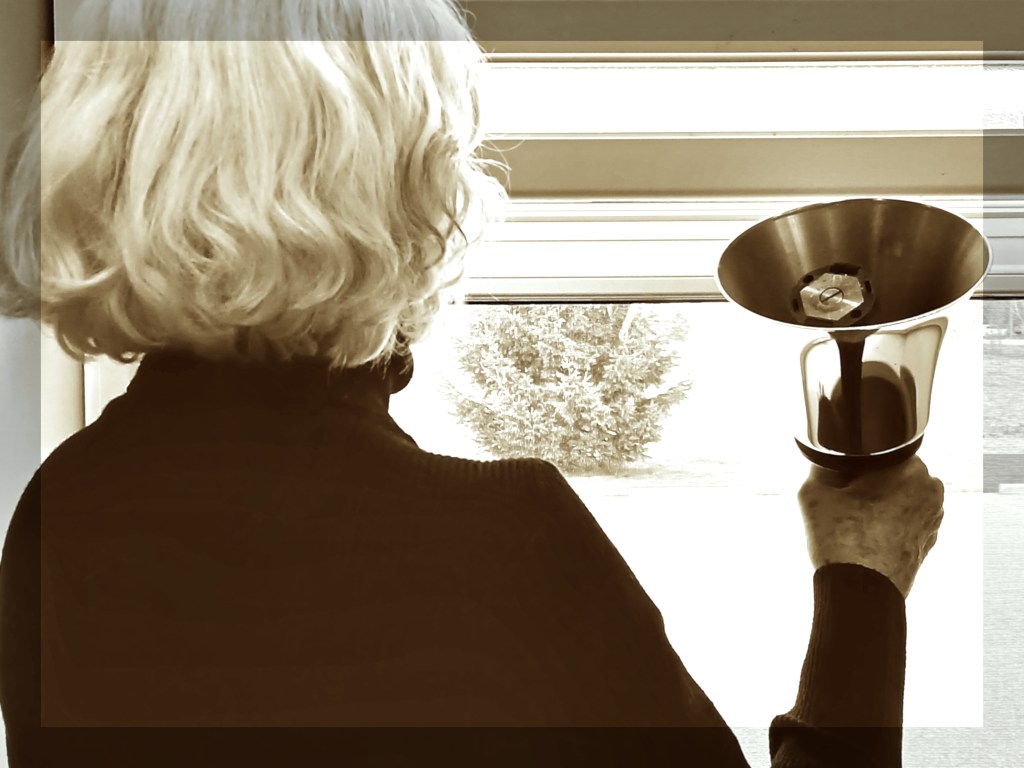
As I waited patiently (or make that impatiently) for spring to arrive this past month, I spent much time reflecting. In between cleaning out cupboards, I was immersed in unpacking a piece of Leonard Cohen’s poetry after being reminded about it during a sermon. (My minister’s sermons frequently get me pondering!) For me, that’s a combination of daydreaming and writing and sometimes it results in a new blog post.
Cohen wrote:
“Ring the bells that still can ring
Forget your perfect offering
There is a crack, a crack in everything
That’s how the light gets in.”
Take a moment to listen to this celebrated Canadian poet sing his “Anthem” and let his words seep into your conscience. Like me, you may spend a lot of time connecting what it means to your own life.
At first listening, I focused on the phrasing that it is through the cracks that the light gets in.
The idea of light getting in through the cracks in our world challenges conventional thought, and perhaps offers hope. Is better possible through the broken? I sure hope so.
It reminded me of wabi-sabi, a Japanese philosophy rooted in Buddhist teaching that is about finding beauty within the imperfections of life. (Cohen was a practicing Buddhist.) I was introduced to wabi-sabi during an online writing course, The Wisdom Years. When you view life, and in particular this later stage of life, through wabi-sabi, it is in sharp contrast to western ideals of youth and beauty. In fact, wabi-sabi recognizes that nothing lasts, that nothing is finished, and that nothing is perfect. We continually change and evolve and there is no arrival or end point. There’s an old saying that someone has “arrived” once they achieve a certain status in life, but that’s a false perception which wabi-sabi philosophy eschews.
Cohen says forget your perfect offering. One of those phrases that is perhaps easier to say than accomplish. Like many women, I grew up with the false images of feminine perfection portrayed in the media. Today’s AI generated images add a whole new level of deception.
It takes lots of time and some hard-earned wisdom to accept that the “cracks” or our imperfections are not only okay, but can be sources of light. Aging should be a cure for any notion that perfection exists. We know by now that errors can shed light in a way that perfection never will. Even so, the idea that imperfection itself can be beautiful, or a source of light, is an idea I am still learning to accept.
As the month progressed and my reflecting evolved, it occurred to me that the concepts of wabi-sabi and light getting in through the cracks might be a good way to address the broken relationships in our world.
I thought about how as we get older, we sometimes lose patience. We’ve either heard all the excuses, or we feel – let’s admit it – a bit entitled. As in, we shouldn’t have to put up with “less than” at this point in our lives. How often have you heard yourself say things like “that’s unacceptable” or “I expect better,” and while there may be some actions that invite such a response, are there other times when we may be hasty in our judgment?
When we approach life with an expectation that someone else should measure up to some perfect elevated ideal, it will lead us to be unforgiving, not to mention disappointed. It’s true of our personal relationships, but also I am thinking about our social media curated world where people delight in showing up the errors of someone else’s behaviour. Often without even knowing all of the details, people are quick to point and blame, or shame.
Perhaps if we both look for and become a light through the cracks, a different outcome is possible.
As I tossed these thoughts around, I would return to listen to Cohen’s “Anthem.” I found myself caught up in the repeating phrase “Ring, Ring, Ring, Ring” by his back up singers, and then Cohen’s deep melodious voice and the first line, “Ring the bells that still can ring.” There is much symbolism in the ringing of bells, a quick internet search reveals. It can be spiritual, representative of the divine; it can be a symbol of good health; they can represent freedom from bondage; and they can reflect joy and happiness, the start or the end of something significant.
Finally, in Cohen’s piece, I heard a call, a call to get up, to use our voices and to ring the bells that still (there’s that word still) can be rung. In other words, I heard don’t let age or despair or a need for perfection stop you from ringing those bells. The world will keep changing and evolving. As Cohen says, the birds will sing in the morning and wars will be fought and governments will falter. But we can look for – and be – the light through the cracks, to be an offering, imperfect as it may be, of hope or better in a world that seems dark and full of chaos. It’s a message that seems to fit the times we find ourselves in. Rest in peace, Mr. Cohen, and thank you.


 StillKim
What do you think?